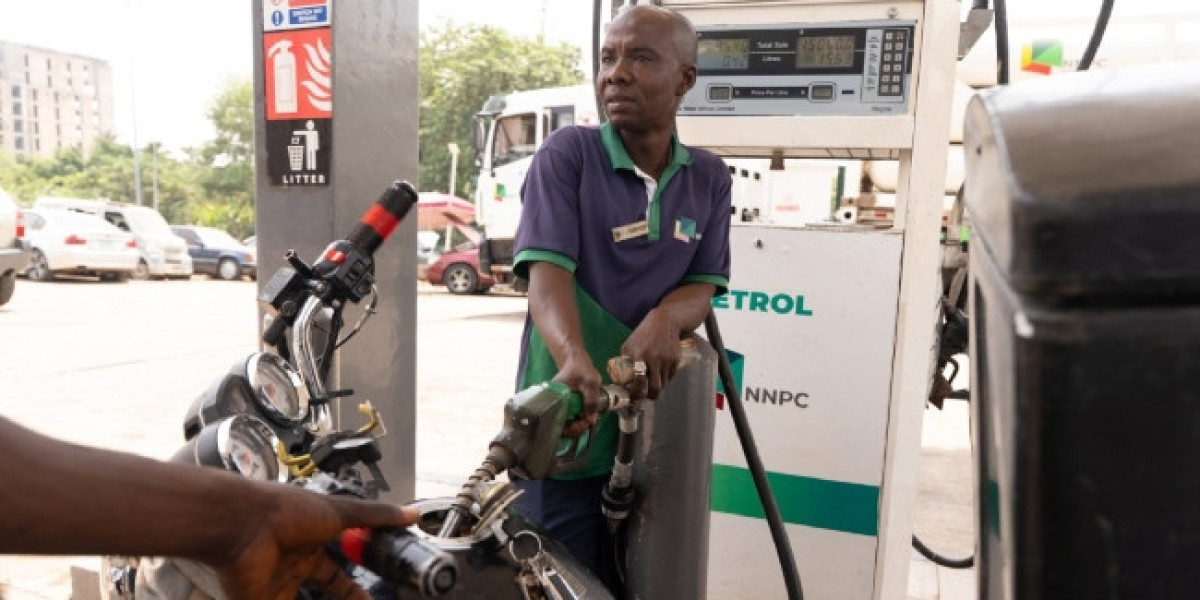

Petrol Price in Nigeria Surges 55% to N1,596 Per Litre in May 2026 Amid Rising Economic Pressures
Average Petrol Price Climbs Significantly Year-on-Year
The average retail price of Premium Motor Spirit (PMS), popularly known as petrol, increased by 55.31 percent year-on-year to N1,596.25 per litre in May 2026, according to the latest figures released by the National Bureau of Statistics (NBS).
The new price marks a sharp rise from the N1,027.76 per litre recorded in May 2025, highlighting the continued increase in fuel costs across Nigeria and the growing burden on consumers and businesses.
Monthly Increase Reflects Ongoing Market Volatility
Data from the NBS showed that petrol prices also rose on a month-on-month basis. The average retail price increased by N63.32 per litre from N1,532.93 recorded in April 2026, representing a 4.13 percent increase within a single month.
The latest surge comes amid renewed uncertainty in global energy markets, fueled by geopolitical tensions in the Middle East and disruptions affecting international crude oil and fuel supply chains.
Edo, Bauchi, and Benue Record Highest Petrol Prices
State-by-state analysis revealed significant variations in petrol prices across the country during the review period.
Edo State recorded the highest average retail price of petrol at N1,722.91 per litre. It was followed closely by Bauchi State at N1,715.47 per litre and Benue State at N1,698.57 per litre.
The elevated prices in these states underscore regional differences in fuel distribution costs and supply availability.
Adamawa, Katsina, and Sokoto Post Lowest Fuel Prices
On the other end of the spectrum, Adamawa State recorded the lowest average retail petrol price at N1,469.83 per litre.
Katsina and Sokoto states followed with average prices of N1,470.63 and N1,489.33 per litre, respectively, making them the least expensive locations for petrol purchases during the month.
South-South Region Tops Zonal Price Rankings
Among Nigeria’s six geopolitical zones, the South-South recorded the highest average retail petrol price at N1,623.84 per litre.
In contrast, the North-West posted the lowest zonal average price at N1,564.11 per litre, offering relatively lower fuel costs compared to other regions.
Industry Experts Cite Supply and Foreign Exchange Challenges
Industry stakeholders attribute the persistent increase in petrol prices to a combination of factors, including rising depot prices, supply constraints, transportation expenses, and ongoing foreign exchange pressures.
The volatility in the exchange rate continues to influence fuel importation and distribution costs, contributing to higher pump prices nationwide.
Rising Fuel Costs Continue to Impact Nigerian Households
Petrol remains one of the most important determinants of household spending and business operating costs in Nigeria. Higher fuel prices typically translate into increased transportation fares, logistics expenses, and the overall cost of goods and services.
As fuel costs continue to rise, economists warn that inflationary pressures may intensify, placing additional strain on households already grappling with elevated living expenses.